
Saving Lives Starts Before the Hospital
Educating Texans on the Importance of Prehospital Blood Programs
In trauma and medical emergencies, severe blood loss is one of the leading causes of preventable death. When someone is bleeding heavily, every second matters. The faster lifesaving blood can be delivered, the greater the chance of survival.
That’s why Texas is leading the way in expanding prehospital blood programs — ensuring that blood transfusions can begin before a patient even reaches the hospital.
Why Prehospital Blood Programs Matter
Severe bleeding is the number one cause of death for people ages 1–45. Whether caused by a car crash, farming accident, industrial injury, gunshot wound, stabbing, or a medical emergency like gastrointestinal bleeding or postpartum hemorrhage, rapid blood loss can quickly become fatal.
Early blood transfusions significantly improve survival rates. Prehospital blood programs close the critical gap between the moment of injury and hospital treatment — delivering lifesaving care when it matters most.
What Is a Prehospital Blood Program?
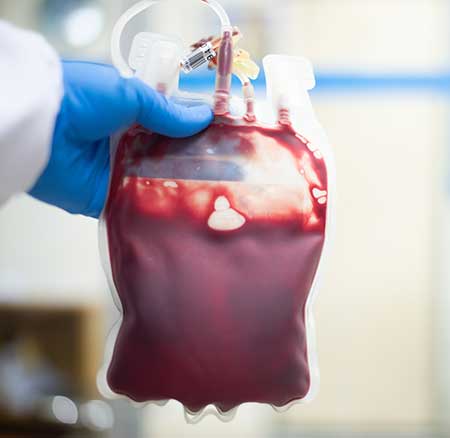
A prehospital blood program equips ambulances and medical helicopters with blood products so trained EMS personnel can begin transfusions at the scene of an emergency or during transport.
Instead of waiting until arrival at a trauma center, patients receive immediate blood replacement — stabilizing them sooner and improving outcomes.
These programs are designed to:
-
Reduce preventable deaths from hemorrhage
-
Improve survival rates in trauma and medical emergencies
-
Strengthen Texas’ emergency response system
Who Benefits?
Prehospital blood programs help patients experiencing life-threatening bleeding due to:
-
Traumatic injuries (car crashes, farming accidents, industrial injuries, stabbings, gunshot wounds)
-
Internal bleeding from medical conditions
-
Ruptured blood vessels
-
Severe postpartum hemorrhage
-
Other uncontrolled bleeding emergencies
In these situations, rapid blood replacement can mean the difference between life and death.
How the Program Works
Prehospital blood programs operate through strong partnerships and strict medical oversight.
Key components include:
Temperature-Controlled Storage
Specialized equipment ensures blood remains properly regulated in ambulances and helicopters.
Advanced EMS Training
Emergency medical personnel receive specialized training to safely administer blood transfusions in the field under physician oversight.
Hospital & Blood Bank Partnerships
Programs are coordinated with hospitals and blood centers to ensure balanced supply and proper rotation of blood products.
Community Blood Donors
A consistent supply of donated blood is essential to keeping these programs running.
Is It Safe?
Yes. Blood used in prehospital settings follows the same strict national safety standards required in hospitals.
-
Blood is carefully screened and tested.
-
Protocols are in place to prevent transfusion reactions and errors.
-
Continuous quality monitoring and data tracking ensure safety.
-
Licensed physicians and trauma experts oversee all medical protocols.
Patient safety is always the highest priority.
Frequently Asked Questions
Will this cause hospitals to run out of blood?
No. These programs are carefully coordinated with blood banks to ensure hospitals maintain adequate supply. Blood is rotated properly to avoid waste.
What type of blood is used?
Most EMS programs carry low-titer O-positive whole blood. O-type blood can be used in emergencies for patients of any blood type. “Low-titer” means the donor blood contains very low levels of antibodies, making it safer for broader use.
How long does blood stay in an ambulance?
Blood is typically carried for about three weeks before being returned to a hospital blood bank for use there, in accordance with national AABB guidelines.
Can O-positive blood affect future pregnancies?
In rare cases, it may create antibodies that could affect future pregnancies. EMS protocols are designed to minimize this risk. However, in life-threatening bleeding emergencies, saving the patient’s life is the immediate priority. Follow-up care is provided at the hospital if needed.
What if someone declines blood for religious reasons?
EMS providers respect personal and religious beliefs. If a patient has clearly expressed they do not want a transfusion — such as through a medical alert bracelet or direct communication — that choice is honored. In situations where a patient cannot communicate, providers act in the patient’s best interest to preserve life.
Proven Success in Texas
Texas air medical services and EMS systems have already demonstrated the lifesaving impact of prehospital blood.
Communities that have implemented these programs report improved patient outcomes and stronger trauma response systems. These efforts show that having blood available before hospital arrival saves lives.
The Critical Role of Blood Donors
Every unit of donated blood can save up to three lives.
Prehospital blood programs depend on a reliable, ongoing supply of donated blood. Without donors, the system cannot function.
Texans have the power to directly support emergency lifesaving efforts simply by donating blood.
How You Can Help
-
Donate blood regularly at your local blood center.
-
Encourage friends, family, and coworkers to donate.
-
Support Texas blood banks and EMS initiatives.
-
Help spread awareness about prehospital blood programs.
Building a Stronger Emergency Response System in Texas
Prehospital blood programs save lives by delivering critical care faster. Texas is strengthening its emergency response infrastructure to protect communities across the state.
Blood donation is the foundation of this effort — and every Texan can make a difference.
Together, we can ensure lifesaving blood is available whenever and wherever it’s needed most.